Food Youth

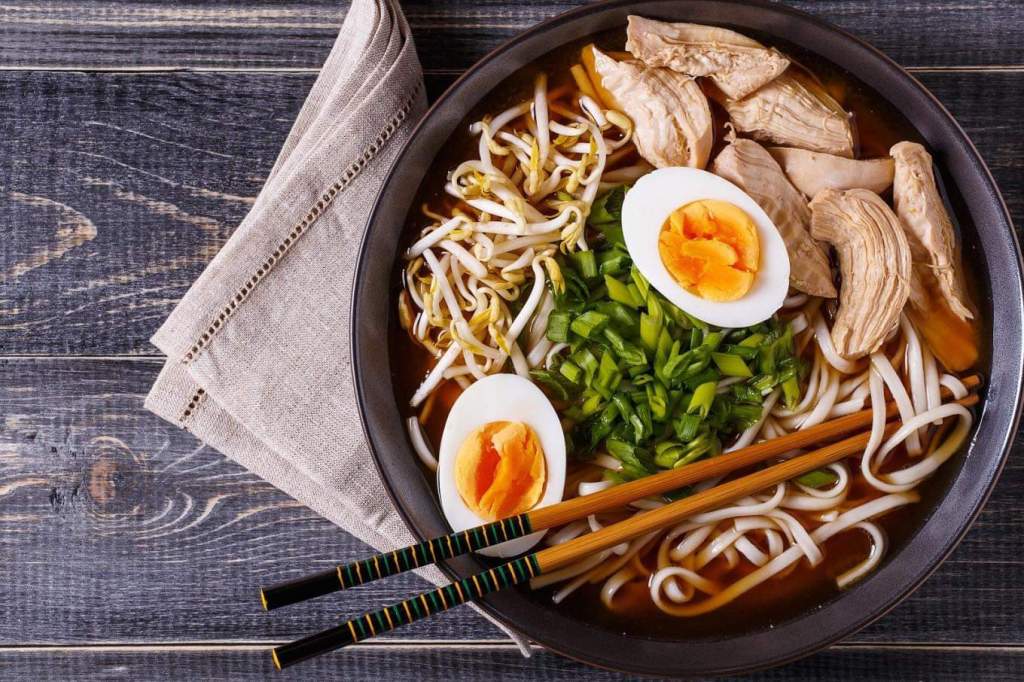
Ramen is a Japanese dish with a translation of “pulled noodles”. It consists of Chinese wheat noodles served in a meat or fish-based broth, often flavored with soy sauce or miso, and uses toppings such as sliced pork, nori, menma, and scallions.

Making ramen from scratch is pretty darn elaborate. It can be a multiday affair, and if you simply don’t have time for it, it can seem very intimidating. (No, we’re not making our own noodles this time around…I’m taking it easy on you for now.) Our shoyu ramen recipe calls for making four important components: dashi and tare for the soup base, and nitamago and chashu as showstopping toppings. You can certainly eat a decent bowl of noodles without one or two of these players, but man oh man, magic happens when they all come together in one bite. Fear not: Your patience will be rewarded.
Dashi A simple, clear stock usually made with kombu (kelp) and katsuboshi (dried fish shavings, aka bonito flakes). Making this takes just minutes because we don’t want to over-extract the intense flavors of these umami-rich ingredients, but if you need an even quicker version, many stores today carry an instant powder variety called Hon Dashi: Just add it to hot broth or water, and you’re good to go. We’re doctoring our version of dashi with chicken broth and dried shiitake mushrooms for even more oomph.
Tare Called the soul of ramen by some, tare is essentially a flavored, concentrated soy sauce. We will be making this once and using it three different ways: as braising liquid for the pork belly, as marinade for the eggs, and as seasoning for the soup.
Nitamago Marinated soft-boiled egg. There is nothing more awe-inspiring than an egg done well. In this case, the eggs are soft-boiled, peeled, and left to chill in our tare marinade overnight, for 6 to 12 hours.
Chashu Braised pork belly, aka a little slice of heaven for my nonkosher friends. Seared then cooked gently and slowly in our tare mix, it might quite possibly be the most melt-in-your-mouth pork experience you’ll ever have. Pork belly with skin on is the best cut to use, but if you can’t find that at your local butcher, pork shoulder will do just fine.
La-yu I lied! There are actually five components! But this one is a bonus for my garlic-loving spice heads and it’s totally optional. Inspired by my favorite ramen condiment, found at Chuko in Brooklyn, this is a take on Japanese chili oil with savory pieces of garlic confit gummies and tiny pops of sesame. Just when you thought it couldn’t get better!
When you want to cook to impress, few dishes can top homemade ramen. This recipe makes enough broth and toppings for 4 servings and keeps well in the fridge for a week, so if you’re cooking for one, it’s the perfect thing to make on a Sunday and heat up throughout the week.


Ramen is a dish that’s very high in calories and sodium. One way to make it slightly healthier is to leave the soup and just eat the noodles 🍜❤️

Introduce Yourself (Example Post)

This is an example post, originally published as part of Blogging University. Enroll in one of our ten programs, and start your blog right.

You’re going to publish a post today. Don’t worry about how your blog looks. Don’t worry if you haven’t given it a name yet, or you’re feeling overwhelmed. Just click the “New Post” button, and tell us why you’re here.

Why do this?

  • Because it gives new readers context. What are you about? Why should they read your blog?
  • Because it will help you focus you own ideas about your blog and what you’d like to do with it.

The post can be short or long, a personal intro to your life or a bloggy mission statement, a manifesto for the future or a simple outline of your the types of things you hope to publish.

To help you get started, here are a few questions:

  • Why are you blogging publicly, rather than keeping a personal journal?
  • What topics do you think you’ll write about?
  • Who would you love to connect with via your blog?
  • If you blog successfully throughout the next year, what would you hope to have accomplished?

You’re not locked into any of this; one of the wonderful things about blogs is how they constantly evolve as we learn, grow, and interact with one another — but it’s good to know where and why you started, and articulating your goals may just give you a few other post ideas.

Can’t think how to get started? Just write the first thing that pops into your head. Anne Lamott, author of a book on writing we love, says that you need to give yourself permission to write a “crappy first draft”. Anne makes a great point — just start writing, and worry about editing it later.

When you’re ready to publish, give your post three to five tags that describe your blog’s focus — writing, photography, fiction, parenting, food, cars, movies, sports, whatever. These tags will help others who care about your topics find you in the Reader. Make sure one of the tags is “zerotohero,” so other new bloggers can find you, too.

Design a site like this with WordPress.com
Get started